A smarter way to choose
Designing a more human way to shop for merchant services. This project explores how generative AI can simplify complex product decisions, helping small business owners better understand their options and choose with confidence.
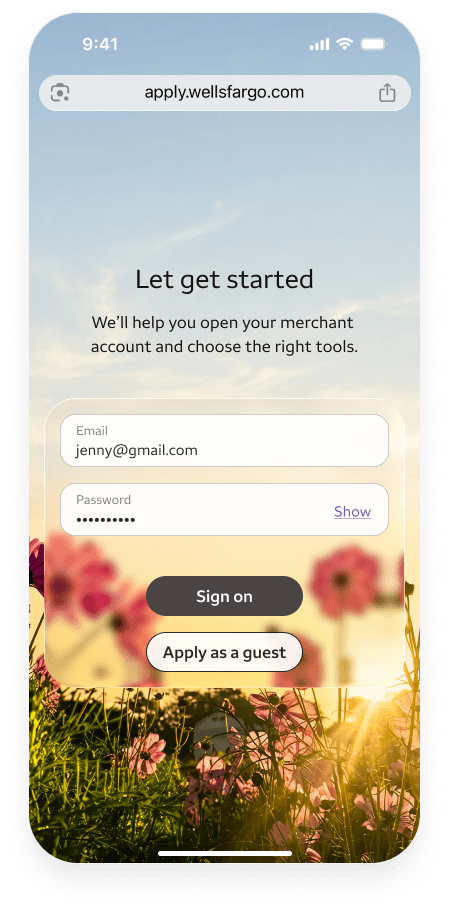
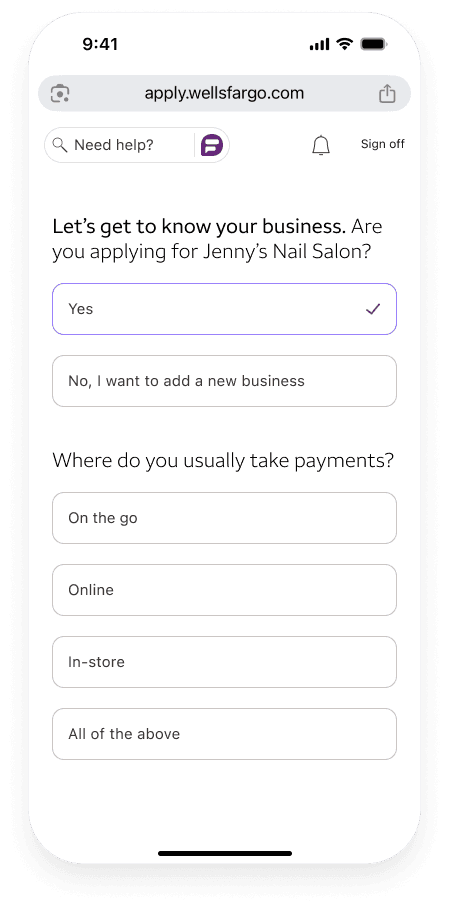
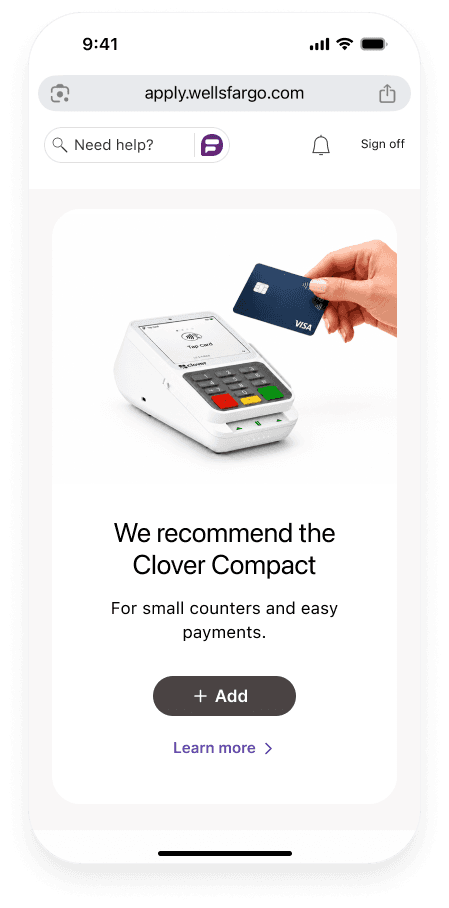


The opportunity
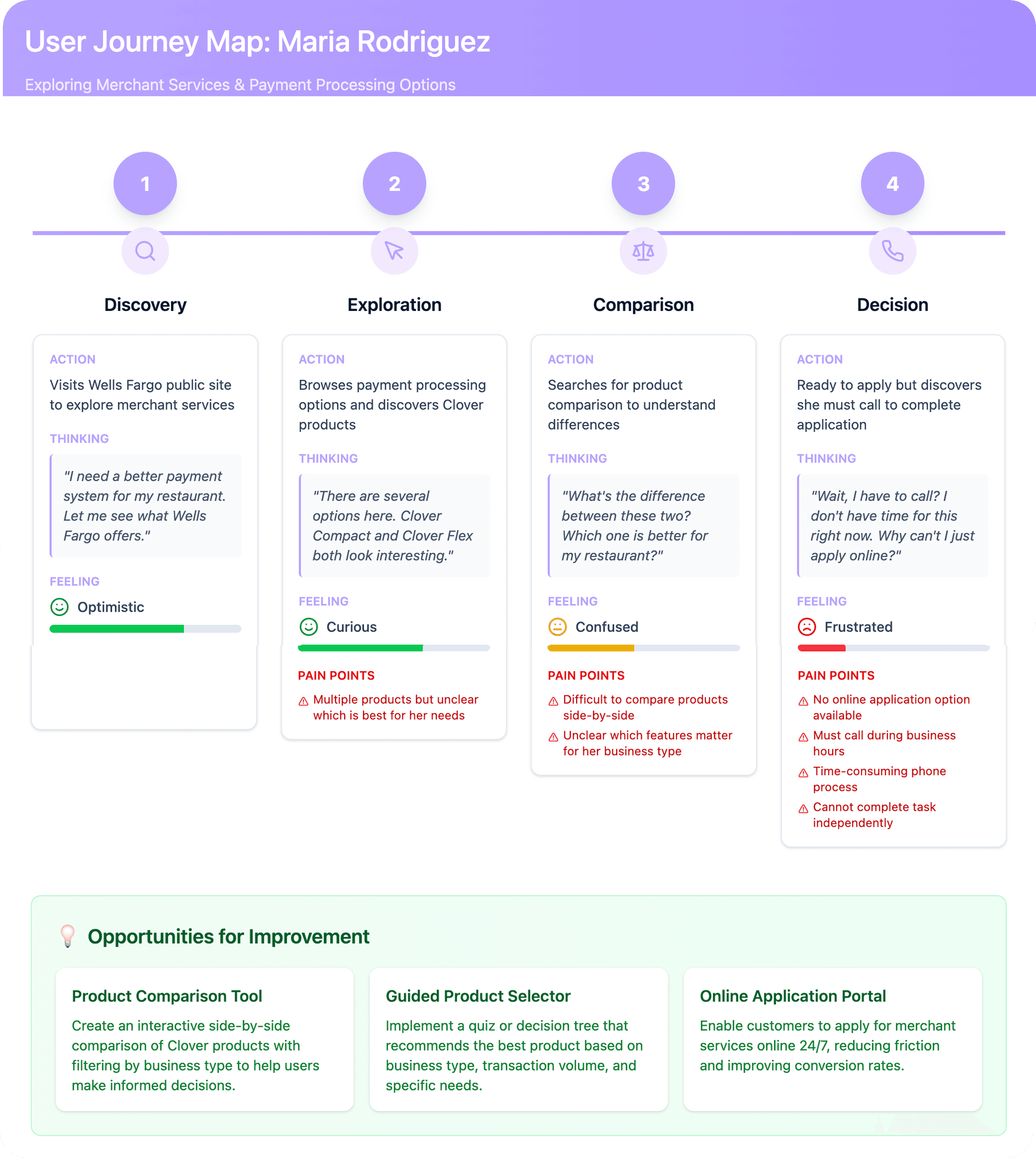
Choosing a platform for merchant services can be complicated. Business owners have different needs, but the existing experience asked customers to figure out which products they needed before they could even begin and they had to call in to apply.
The challenge wasn't simply making the application process easier. It was helping people understand what they needed in the first place. I explored how AI and conversational design could transform the experience into a more guided, natural way to shop.


Understanding before conversation
We started by asking: What does the AI actually need to know to be useful?
Rather than opening with a blank chat window, I introduced a lightweight set of questions to understand the customer's business context first. Understanding comes before conversation to ensure more relevant recommendations and interactions.
Designing the conversation



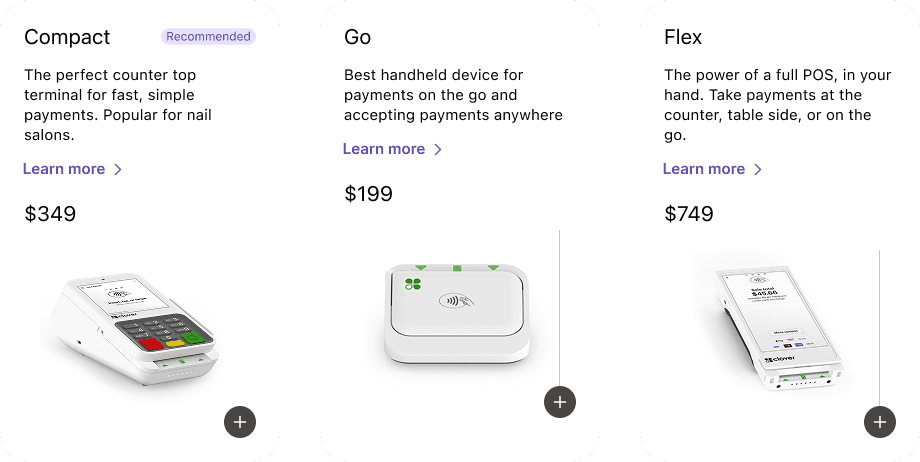
Letting the user stay in control
An AI recommendation shouldn't become a black box. Customers needed to see their options, understand what was included, and make the final choice themselves. I designed a comparison experience that allowed users to move fluidly between AI guidance and traditional product exploration.
From exploration to product
The final experience brings together guided questions, personalized recommendations, conversational assistance, product comparison, and a streamlined application flow.
Rather than replacing the existing shopping experience with AI, I designed AI as a layer of intelligence that helps people navigate it.
The result is a more human way to make a complex decision.


How we got here
Because conversational products are still an evolving interaction model, I used rapid prototyping to explore ideas before committing to a final direction.

Using AI for ideation and research
AI-assisted exploration helped me quickly generate and evaluate different approaches, while design judgment determined which ideas were worth pursuing.
Creating the future experience
I used sketching, wireframing, and competitive research to test the structure and interaction model before moving into high-fidelity design.
Wireframes


